Your electric bill climbs every summer, and it’s tempting to just accept it as the cost of staying cool in Indiana. But a higher bill doesn’t automatically mean your air conditioner is working harder, sometimes it means it’s working less efficiently, and you’re paying for the difference. Before you turn the thermostat up and sweat through July, there are a handful of changes that actually move the needle on your bill without making your home uncomfortable.
Some of these are free. Some cost a little. And one of them might save you from replacing an entire system a year from now. Here’s where to start.
Start With Your Thermostat Settings: Not Just the Number
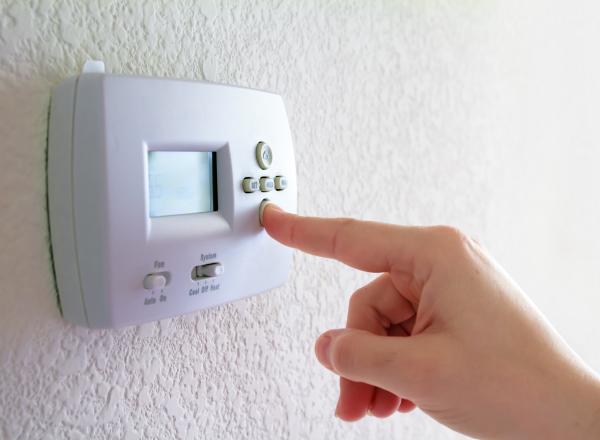
Most homeowners know the general advice: set it a few degrees higher, save some money. That’s true, but the bigger lever is consistency, not the number itself. Every degree you raise your thermostat can shave a noticeable percentage off your cooling costs, but constantly adjusting it up and down throughout the day forces your system to work in bursts, which is less efficient than holding a steady temperature.
If you’re away from the house for long stretches, work, errands, weekend trips, a programmable or smart thermostat lets you set a higher temperature automatically during those hours and bring it back down before you’re home. You get the savings without ever feeling the heat.
We’ve written a full breakdown of ideal summer settings and scheduling strategies in our guide on how to lower your electric bill in summer if you want specific numbers to start with.
Don’t Skip the Filter: It’s the Cheapest Fix You’re Ignoring
A dirty air filter is one of the most common, and most overlooked, reasons a cooling system runs longer than it should. When airflow is restricted, your AC has to work harder to push cool air through the house, which means longer run times and a higher bill for the same result.
During peak summer months, check your filter monthly. If it’s gray, matted, or you can’t see light through it, replace it. This is a five-minute task that directly affects how efficiently your system runs, and it’s free if you already have replacement filters on hand.
Use Shade and Airflow Strategically
Your HVAC system isn’t the only thing controlling your indoor temperature. Your windows are doing a lot of the work too, just in the wrong direction. Direct afternoon sun through south- and west-facing windows can add several degrees of heat load to a room, forcing your AC to compensate.
A few low-cost adjustments help:
- Close blinds or curtains on sun-facing windows during peak afternoon hours
- Run ceiling fans counterclockwise to push cool air down (fans let you feel comfortable at a slightly higher thermostat setting)
- Avoid running heat-generating appliances, ovens, dryers, during the hottest part of the day
- Make sure vents and returns aren’t blocked by furniture or rugs
None of these replace a working AC system, but stacked together, they reduce how hard your system has to work to keep up. For more seasonal habits like these, our summer energy saving tips page covers additional small changes that add up over a season.
Get a Tune-Up Before You Blame the Weather
If you’ve tightened up your thermostat habits, changed your filter, and managed your shade, and your bill is still climbing, the issue may not be your habits at all. It may be your system.
Refrigerant levels, dirty coils, worn components, and unbalanced airflow all cause a unit to run longer and pull more power to produce the same amount of cooling. Most of these issues don’t announce themselves with a breakdown. They just quietly cost you more every month until something eventually fails.
A seasonal AC tune-up is the fastest way to find out whether your system is running the way it’s supposed to, or whether it’s been compensating for a problem you haven’t noticed yet. It’s a lot cheaper to catch a failing capacitor or a low refrigerant charge in June than to deal with a full breakdown in the middle of a heat wave.
When the System Itself Is the Real Cost
Here’s the part that’s easy to overlook: sometimes the most efficient move isn’t a repair at all. Air conditioners lose efficiency as they age, even with regular maintenance. A unit that’s ten, fifteen, or twenty years old is very likely running on outdated efficiency standards compared to what’s available today, and that gap shows up directly on your electric bill, month after month.
If your system needs frequent repairs, struggles to keep up on the hottest days, or your bills have been climbing steadily over the past couple of summers despite normal usage, it may be costing you more to keep running it than it would cost to replace it with a properly sized, efficient AC installation. That’s not a sales pitch, it’s simple math that plays out differently for every household, which is exactly why we don’t guess at it.
If part of the problem is a room that’s never cooled evenly, an addition, a converted garage, a bonus room over the garage, that’s not always a sign your whole system needs replacing. Sometimes it’s a sign your ductwork was never designed to serve that space in the first place. A ductless mini split can solve that specific problem directly, cooling the trouble spot without forcing your main system to overcompensate for it.
We offer a free HVAC replacement estimate so you can see actual numbers for your home: what a new system would cost, what it’s likely to save you monthly, and how that balances against continuing to repair an aging unit. If cost is the hesitation, our financing options are built to make a replacement fit into a monthly budget rather than a single upfront hit.
Frequently Asked Questions
What thermostat setting actually saves the most money in summer?
Consistency matters more than a specific number. A steady setting, adjusted a few degrees higher when you’re away and using a schedule rather than manual changes, tends to save more than chasing an exact “ideal” temperature.
How often should I really change my air filter in summer?
Check it monthly during peak cooling season. Homes with pets or higher dust levels may need changes more often. A restricted filter forces your system to run longer for the same cooling result.
Can a tune-up actually lower my electric bill?
Yes. A tune-up identifies issues, low refrigerant, dirty coils, worn parts, that force your system to run longer or harder than necessary. Fixing those issues restores the efficiency your system was designed to have.
How do I know if my AC is too old to be worth repairing?
If repairs are becoming frequent, your bills keep climbing despite normal use, or your system struggles on the hottest days, it’s worth getting a replacement estimate to compare the real numbers against continuing to repair.
Is a new AC system really more efficient, or is that a sales angle?
Cooling efficiency standards have genuinely improved over the past decade. Older units, even well-maintained ones, typically use more electricity to produce the same cooling output as newer systems. The actual savings depend on your specific system’s age and condition, which is why we base estimates on your home rather than general averages.
What if only one room or area of my house has a cooling problem?
That’s not always a whole-system issue. A room without proper ductwork, or one that’s been added on, often benefits more from a ductless mini split than from adjustments to the main system.
What areas does Edwards Royal Comfort serve for AC tune-ups and replacement estimates?
We serve Greencastle, Crawfordsville, Danville, and surrounding communities across the region, including Avon, Brownsburg, Plainfield, and Greater Indianapolis.
Get a Clear Answer, Not a Guess
Small habits help. But if your bill has been climbing for reasons that have nothing to do with your thermostat settings, the fastest way to find out is to get your system looked at. Request a free HVAC replacement estimate and we’ll tell you plainly whether repair, a tune-up, or replacement makes the most financial sense for your home. No pressure, just the numbers.
Request your free replacement estimate or call us at 765-323-4433 to talk through your options today.
